
Are Teeth Bones? Unraveling the Dental Dilemma
Ever wondered if your pearly whites count as bones? People often mix them up. They look hard. They feel solid. But are teeth bones? This post dives deep into the science. We’ll explore structures, functions, and fun facts. Get ready for clarity.
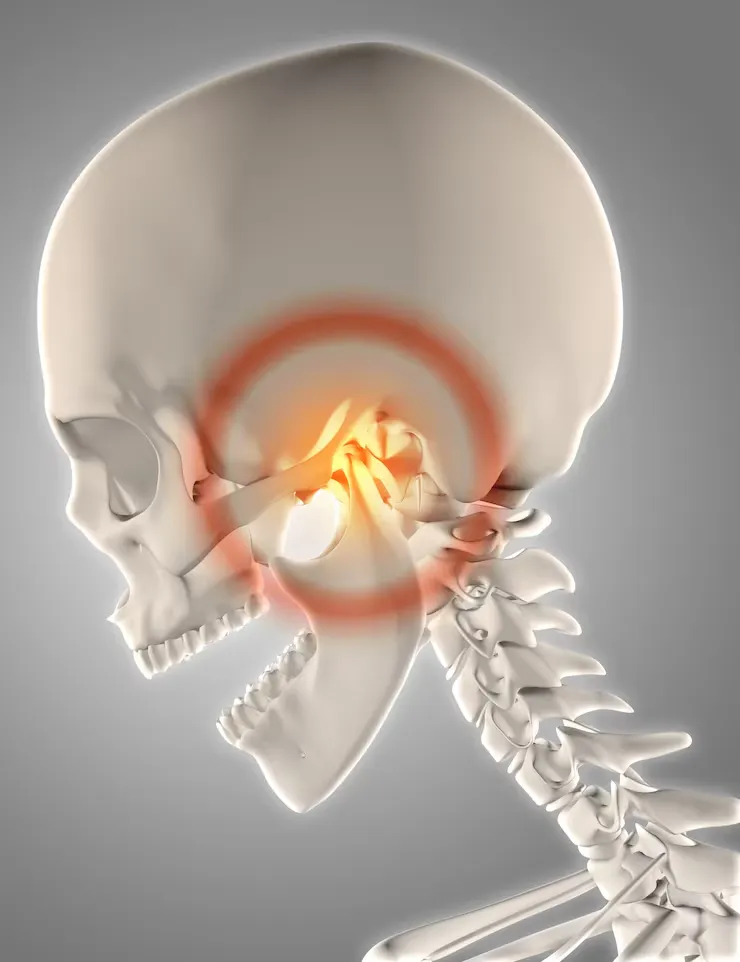
The Hard Truth About Tooth Anatomy
Teeth anchor in your jaws. They chew food daily. Bones support your body. Yet confusion lingers. Dentihear this question often. Let’s break it down.
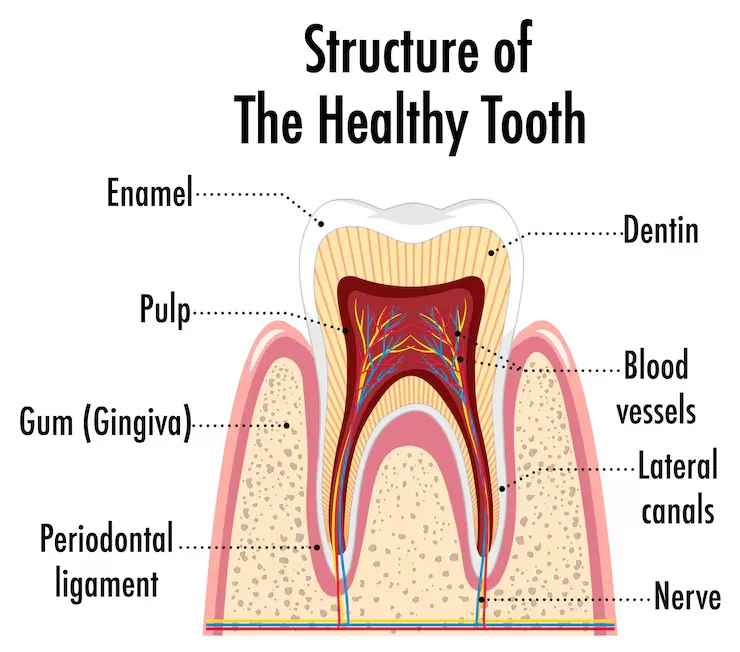
Your mouth holds about 32 adult teeth. Each one features enamel outside. Dentin sits beneath. Pulp lives in the core. Roots grip bone sockets. Enamel shines hardest. It resists wear. Dentin cushions next. Pulp nourishes with blood vessels. Roots secure everything.
Bones differ. They form skeletons. Marrow produces cells inside. Osteocytes maintain them. Teeth lack marrow. No blood cell factories here. Structures vary wildly.
For example, consider molars. They grind tough bites. Enamel covers crowns thickly. But jaws hold actual skeletal bones. They flex under pressure. Dental roots embed tightly. Yet they don’t remodel like skeleton parts.
In addition, scan an X-ray. Bones show dense trabeculae. Tooth roots appear solid. No spongy interior matches. Therefore, appearances deceive.
Bones vs. Teeth: Composition Showdown
Bones contain calcium phosphate. Hydroxyapatite crystals dominate. Collagen fibers add flexibility. Teeth pack more minerals. Enamel hits 96% mineral. Almost glass-like hardness. Dentin reaches 70%. Still tougher than bone’s 65%.
Hydroxyapatite unites them. But ratios shift. Bones bend. They absorb shocks. Teeth endure bites. Enamel cracks less. Dentin flexes slightly. Pulp stays soft.
Moreover, bones store minerals. They release calcium needs arise. Teeth hoard rigidly. No give there. Osteoblasts build bone. Odontoblasts form dentin. Different cells. Distinct jobs.
However, both mineralize from similar salts. Blood delivers ions. Cells deposit crystals. Processes overlap. But outcomes diverge sharply.
Take a child’s tooth. Primary ones erupt early. Bones grow longer. Teeth swap sets once. Permanent versions stay lifelong. No lengthening happens.
How They Grow and Develop
Bones elongate via cartilage. Epiphyseal plates expand. Teens close them. Growth halts. Teeth bud from epithelium. Mesenchyme shapes dentin. Ameloblasts craft enamel. No plates involved.
So, fetal jaws form first. Tooth germs hide inside. They migrate out. Eruption pushes through gums. Bones ossify broadly. Centers spread outward.
Furthermore, hormones influence both. Growth hormone boosts bones. Parathyroid tweaks calcium. Teeth respond less. Eruption ties to genetics. Timing varies families.
Because bones heal fractures. Osteoclasts clear debris. Osteoblasts refill gaps. Teeth repair dentin slowly. Enamel never regrows. Cavities expose nerves. Fillings mimic lost layers.
Finally, regeneration fascinates researchers. Stem cells rebuild bone. Dental pulp holds promise. But enamel factories vanish post-eruption. No ameloblast comeback.
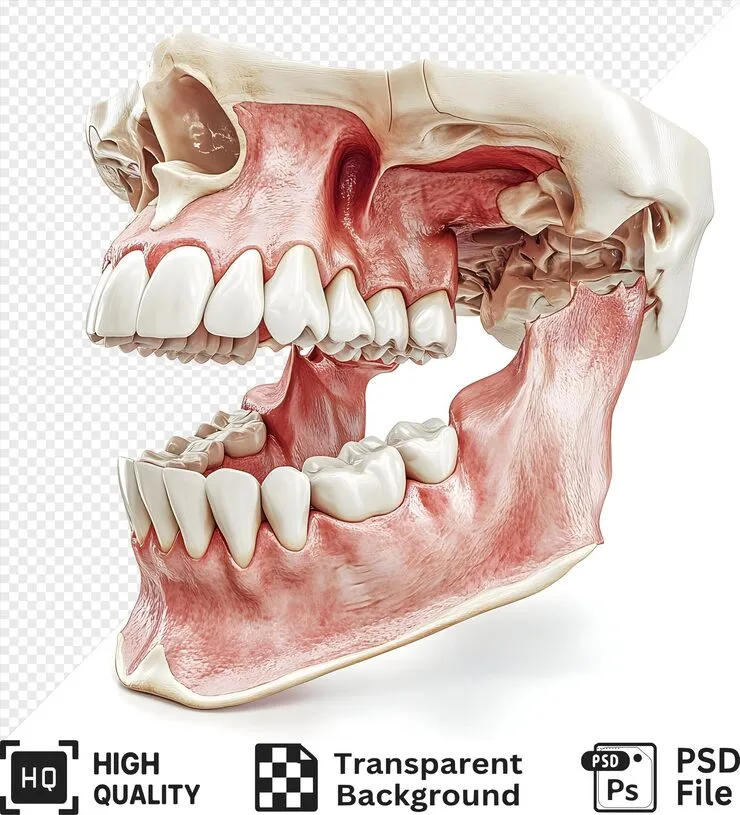
Regeneration Realities: Can They Heal?
Bones mend reliably. Casts aid process. Weeks restore strength. Teeth face decay head-on. Bacteria erode enamel. Acids dissolve minerals. Dentin hypersensitizes.
However, saliva remineralizes early spots. Fluoride strengthens crystals. Bones don’t need such tricks. They remodel constantly.
In addition, trauma tests limits. Broken jaw fuses nicely. Chipped tooth needs crowns. Root canals save pulp. Implants replace lost ones. Sockets heal. But gaps stay empty.
For example, sharks regrow rows endlessly. Humans manage one set. Wisdom teeth sometimes extra. Evolution favored durability over replacement.
Therefore, orthodontists straighten teeth. Braces shift roots. Bone resorbs and rebuilds around. Teeth glide precisely. No bone moves that way.
Functions That Set Them Apart
Bones protect organs. Femurs bear weight. Skulls shield brains. Teeth process food. Incisors slice. Canines tear. Premolars crush. Molars pulverize.
So, jaws lever powerfully. Muscles pull hard. Teeth withstand 120 psi bites. Bones distribute loads broadly. Skeletons enable motion.
Moreover, senses link uniquely. Periodontal ligaments detect pressure. Bones feel via periosteum. Proprioception guides chews. Posture relies on skeletal feedback.
But teeth signal pain sharply. Nerves cluster in pulp. Bone aches duller. Inflammation swells both. Abscesses drain differently.
Also, evolution shaped paths. Ancestors gnawed raw meat. Enamel toughened. Bones lightened for speed. Modern diets softened food. Cavities surged.
Furthermore, nutrition ties close. Vitamin D aids absorption. Calcium builds both. Deficiencies weaken skeletons. Rickets bends bones. Teeth hypoplastic spotty.
Daily Care: Treating Teeth Like Bones Fails
Brush bones? Absurd. Floss skeletons? No way. Oral hygiene targets plaque. Fluoride toothpastes fortify enamel. Bones thrive on exercise. Weightlifting densifies.
However, bisphosphonates treat osteoporosis. They slow resorption. Jaw osteonecrosis risks rise. Teeth complicate meds.
In addition, smoking harms both. Gums recede. Bones thin. Osteoporosis fractures loom. Dental implants need dense jaws.
For example, athletes protect mouths. Mouthguards save teeth. Helmets shield skulls. Priorities align somewhat.
Therefore, dentists extract wisely. Sockets fill with bone. Grafts prep implants. Orthopedics sets limbs.
Myths Busted: Common Misconceptions
Myth one: Teeth regrow like bones. Nope. Sharks yes. Humans no. Myth two: Baby teeth identical to adult. Smaller, sure. But same rules apply.
So, wisdom teeth count permanent. Impacted ones trouble jaws. Extraction frees space. Bones adapt post-surgery.
Moreover, “teeth are bone extensions.” Roots embed, yes. But independent organs. Histology proves distinct.
However, some vertebrates blur lines. Crocodiles replace dentitions. Mammals commit once. Humans midway.
Finally, X-rays fool eyes. Density mimics. Microscopes reveal truths. Layers stack uniquely.
Evolutionary Angles on Dental Bones
Ancestral fish had bony plates. Teeth evolved separately. Odontodes specialized. Jaws formed later.
Bones centralized skeletons. Teeth decentralized chewers. Mammals perfected occlusion. Bite fits perfectly.
In addition, herbivores grind flats. Carnivores pierce sharp. Omnivores balance both. Enamel wears evenly.
Because diets drove changes. Cooked food eased loads. Cavities filled gaps evolution ignored.
Furthermore, genetics code uniquely. Homeobox genes pattern both. Mutations dwarf jaws. Teeth misalign.
Health Links: When Dental Issues Hit Bones
Periodontitis erodes support. Gums pull back. Bone loss follows. Sockets widen. Teeth loosen.
However, osteoporosis mirrors. Thin jaws hold poorly. Implants fail faster. Dentures fit loose.
So, screenings catch early. X-rays spot resorption. Calcium supplements help marginally.
For example, diabetics risk infections. Gums inflame. Bones weaken systemically.
Therefore, holistic care wins. Diet, hygiene, checkups. Prevent cascades.
Moreover, aging shrinks jaws. Teeth attrition shortens bite. Bones resorb ridges. Dentures adapt.
Fun Facts to Chew On
Elephants grow tusks lifelong. Ivory pure dentin. Rodents gnaw constantly. Enamel self-sharpens.
Snails sport radulae. Thousands tiny teeth. Replace daily. Birds swallow stones. Gizzards grind.
In addition, human milk teeth resorb. Roots dissolve. New pushes out. Magic biology.
However, spaceflight affects both. Microgravity leaches calcium. Teeth shift slightly. Bones density drops.
Finally, fossils preserve smiles. Enamel resists decay. Bones crumble easier. Paleo diets reconstructed.
Modern Dentistry’s Take on Tooth Structure
Veneers mimic enamel. Composites fill dentin. Implants fuse titanium to bone. Crowns cap weakened tops.
So, whitening bleaches stains. Lasers zap pigments. Bonds strengthen flaws.
Moreover, 3D printing crafts replacements. Scans map precise fits. Regenerative gels test pulp.
Because research accelerates. Stem cells culture enamel. Gene edits prevent caries.
Furthermore, AI predicts wear. Apps track brushing. Smart toothbrushes vibrate right.
Nutrition for Strong Teeth and Skeleton
Calcium sources abound. Dairy leads. Greens follow. Vitamin K greens absorb better.
However, phytics block uptake. Soak beans first. Phosphorus balances ratios.
In addition, magnesium activates. Nuts deliver. Vitamin C collagenates dentin.
For example, cheese neutralizes acids. Post-meal buffer.
Therefore, balanced plates protect. Sugary snacks sabotage.
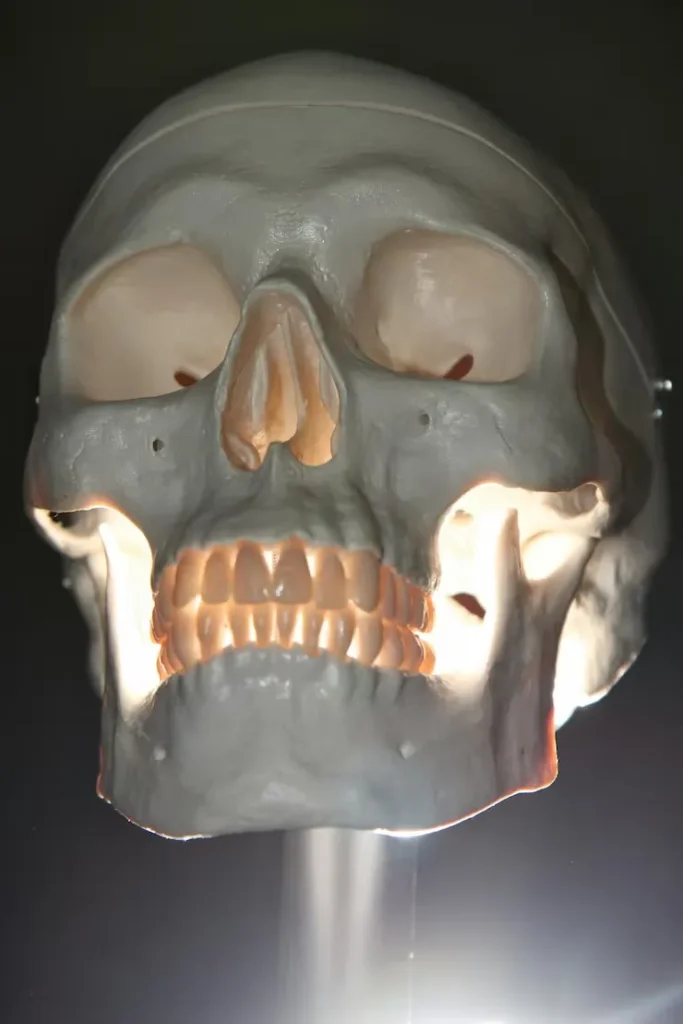
Protecting Your Pearly Whites Long-Term
Floss daily. Brush twice. Rinse fluoridated. Visit biannually.
Moreover, guard sports. Quit tobacco. Limit sodas.
However, genetics load dice. Early care evens odds.
Finally, knowledge empowers. Understand distinctions.
Are teeth bones? No, they stand apart. Embrace their uniqueness. Maintain diligently. Smile confidently.