
Composite Veneers: Your Guide to Affordable, Quick Smile Makeovers
Ever wondered how celebrities get those perfect smiles without breaking the bank? Composite veneers offer a game-changing solution. They transform imperfect teeth into stunning ones in just one visit. This post dives deep into everything you need to know about this popular cosmetic dentistry option.
What Are Composite Veneers Exactly?
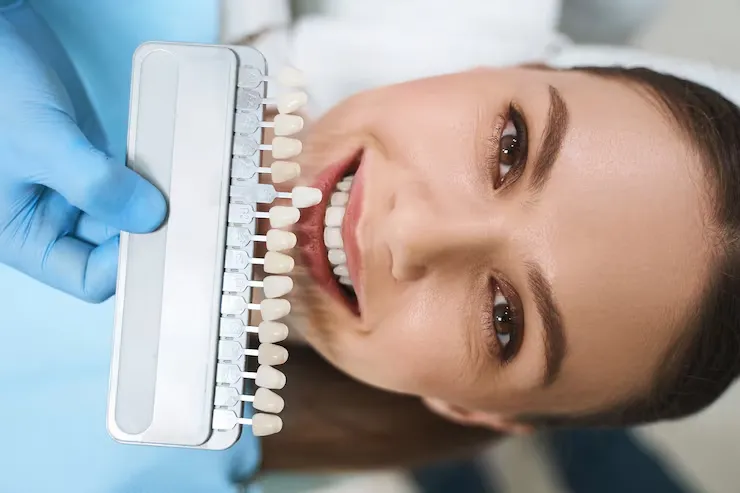
Dentists apply tooth-colored resin directly to your teeth. They shape and polish it to mimic natural enamel. Unlike porcelain versions, these use a moldable material that bonds instantly.
This process skips the lab wait. Patients leave with a brighter smile same-day. For example, minor chips or gaps vanish quickly.
But how does the material hold up? It mimics enamel’s translucency. Colors blend seamlessly with surrounding teeth. Therefore, results look natural, not fake.
How Composite Veneers Differ from Porcelain Counterparts
Porcelain shells require two visits and lab fabrication. Composite ones? Direct application in-office. Speed wins here.
Porcelain lasts 10-15 years. Resin versions endure 5-7 years with care. However, repairs prove easier for composites. Dentists polish away damage and reapply.
Cost matters too. Porcelain runs $1,000-$2,500 per tooth. Composite bonding costs $250-$800. So, accessibility draws budget-conscious folks.
In addition, composites flex slightly. This reduces fracture risk on front teeth. Porcelain, being rigid, might crack under pressure.
The Step-by-Step Application Process
Prep starts simple. Dentists lightly etch enamel for better adhesion. No heavy drilling needed.
They select shade matches. Custom mixing ensures perfect harmony. Then, layer resin builds shape.
Light cures each layer. Hardening happens instantly. Shaping follows with precision tools.
Finally, polish to a shine. Total time? Under two hours per arch. Patients eat normally right after.
Because minimal removal occurs, teeth stay strong. Reversibility appeals to first-timers.
Top Benefits of Choosing Composite Bonding
Affordability tops the list. Transform your smile without debt.
Quick results thrill busy people. One appointment suffices.
Natural appearance fools even close friends. Translucency and texture match real teeth.
Customization shines. Dentists tweak length, shape, alignment on-site.
Moreover, conservative approach preserves tooth structure. No enamel grinding like porcelain demands.
Pain stays low. Local anesthetic optional for most.
Potential Drawbacks to Consider
Staining risks exist. Coffee, wine, smoking darken resin over time. Porcelain resists better.
Durability lags behind ceramics. Chewing hard foods wears them down.
Chipping possible on edges. However, fixes cost less than replacements.
Not ideal for severe damage. Thin layers can’t mask heavy discoloration.
So, maintenance proves key. Regular check-ups extend life.
Ideal Candidates for This Smile Enhancement
Gaps between teeth? Perfect fix.
Chipped fronts from sports? They hide flaws effortlessly.
Mild misalignment? Bonding evens them out.
Discolored enamel from meds or aging? Shades cover effectively.
Young adults love the trial-run vibe. Test the look before committing to permanents.
But consult first. Dentists assess enamel health and bite.
Real-Life Stories from Satisfied Patients
Sarah, 28, hated her gappy incisors. One session later, her confidence soared. “I smile in every photo now,” she shares.
Mike, a teacher, fixed a sports chip. “Kids notice, but positively. No downtime either.”
These tales highlight everyday transformations. Results vary, yet most rave.
Furthermore, social media buzzes with before-afters. Quick searches inspire.

Cost Breakdown and Insurance Insights
Prices fluctuate by location. Urban areas charge more. Expect $300 average per tooth.
Full smile? 6-10 teeth run $2,000-$5,000. Bundles save money.
Insurance? Cosmetic rarely covers. But some plans offset if medically needed, like bite fixes.
Financing options abound. CareCredit or in-office plans ease payments.
Shop around. Experience levels affect fees.
Daily Care Tips to Maximize Longevity
Brush twice daily with non-abrasive paste. Floss gently around edges.
Avoid staining culprits. Rinse after dark drinks.
Night guard for grinders. Protects from wear.
Bi-annual cleanings essential. Hygienist polishes professionally.
Steer clear of hard bites. Cut apples, not chomp.
Follow these, and enjoy years of shine.
Comparing Maintenance: Resin vs. Other Options
| Feature | Composite Bonding | Porcelain Veneers | Crowns |
|---|---|---|---|
| Staining Risk | Moderate | Low | Low |
| Repair Ease | High | Low | Medium |
| Annual Upkeep | Polish only | None usually | Check-ups |
| Lifespan | 5-7 years | 10-15 years | 10+ years |
This table shows why many pick composites first.
When to Upgrade or Replace
Watch for dullness. Polish revives early.
Cracks? Prompt repair prevents spread.
Color mismatch from aging neighbors? Full refresh time.
Typically, replace every 5 years. Evolution in materials extends this now.
Dentists monitor during visits.
Latest Advancements in Resin Technology
Newer formulas boast nano-fillers. Greater strength, less wear.
Self-polishing versions stay glossy longer.
UV blockers fight discoloration. Hold color vividly.
3D printing aids mock-ups. Preview exact results.
These innovations bridge gaps with porcelain.
Choosing the Right Dentist for Your Procedure
Look for cosmetic specialization. Before-after portfolios impress.
Check reviews on Google, RealSelf. Patient stories guide.
Certifications matter. AACD membership signals expertise.
Consultations reveal rapport. Comfort builds trust.
Questions to ask: Experience count? Warranty offered?
Myths Busted About Tooth Bonding
“Myth: They fall off easily.” Fact: Proper bonding lasts.
“Myth: Only for young teeth.” Fact: Ages 18+ qualify.
“Myth: Unnatural look.” Fact: Skilled hands create perfection.
Busting these empowers informed choices.
Long-Term Smile Strategy: Bonding as a Stepping Stone
Start with composites. Gauge satisfaction.
Upgrade to porcelain later if desired.
Orthodontics first for big misalignments. Bonding finishes.
Holistic approach yields best outcomes.
Environmental and Health Angles
Resin materials improve. BPA-free now standard.
Biocompatible, safe for most.
Recyclable scraps in some clinics.
Sustainable dentistry grows.
FAQs on Composite Smile Fixes
How painful is it? Minimal discomfort. Numbing optional.
Can I whiten after? Wait 2 weeks. Bleach-safe kits work.
Reversible? Mostly. Polish off reveals original.
Kids eligible? Teens post-growth.
These clarify common worries.
Pairing with Other Treatments for Wow Results
Whitening preps shades. Bonding perfects shape.
Gum contouring lifts lines.
Invisalign straightens base.
Combo packs amplify impact.
Global Trends in Cosmetic Dentistry
Asia leads adoption. Affordable, fast appeals.
US sees rise post-pandemic. Smile confidence key.
Europe favors minimal invasive like this.
Trends point upward.
Final Thoughts on Achieving Dream Smiles
Composite veneers deliver stunning, accessible changes. They fix flaws swiftly and naturally. Embrace the option that fits your life.