
Ever Wondered What a Foot Reflexology Chart Reveals About Your Health?
You step into a spa. Someone hands you a foot reflexology chart. Suddenly, your feet become a map to your body’s secrets. This ancient tool links pressure points on your soles to organs and systems. People swear by it for quick relief. But does it really work? Dive in. We’ll unpack everything.
Unlocking the Secrets of the Foot Reflexology Chart
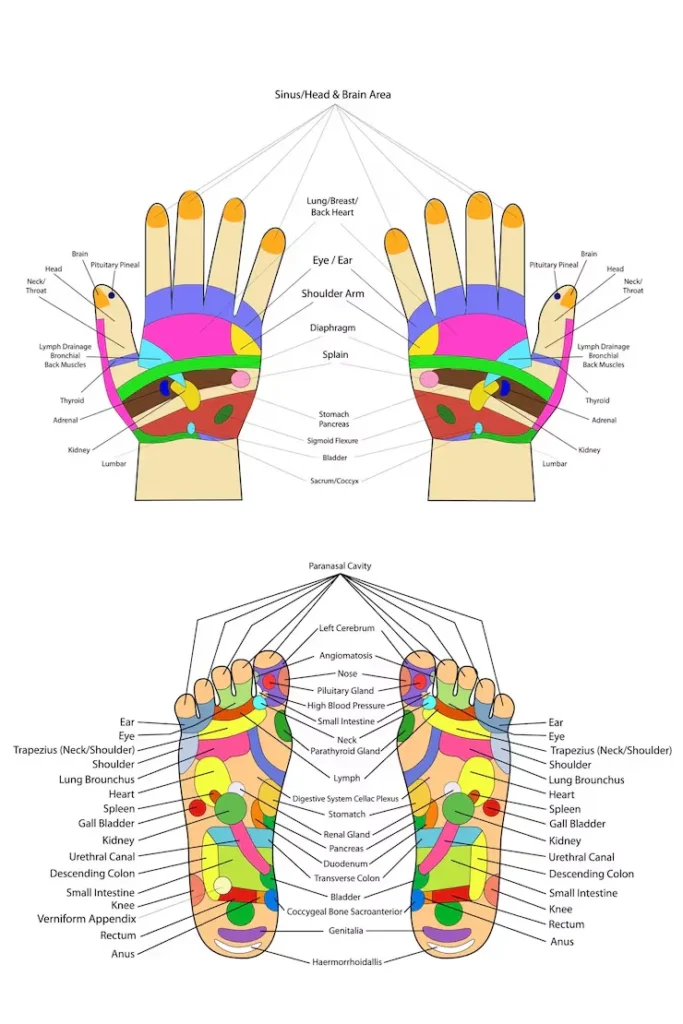
Feet hold power. Ancient healers knew this. They pressed specific spots. Pain vanished. Energy flowed. Today, experts map these zones precisely.
A foot reflexology chart acts like a body’s blueprint. It shows where to press for headaches. Or digestion woes. You see toes linked to the head. Heels to the lower back. Simple, right?
But why feet? Nerves cluster there. So, stimulating them signals distant organs. For example, rub the big toe. Tension in your sinuses eases. Incredible.
Also, this practice spans cultures. Chinese used it 5,000 years ago. Egyptians etched diagrams on tombs. Now, modern spas offer sessions. You can try it at home too.
History Behind the Reflexology Foot Map
Traditions run deep. Healers in India pressed feet during rituals. So, energy balanced. In Thailand, monks walked on pebbles. Pressure built resilience.
Fast forward. Dr. William Fitzgerald popularized it in the 1900s. He called it “zone therapy.” Feet divided into ten zones. Each mirrors the body. Press one. The whole zone responds.
Then, Eunice Ingham refined it. She created detailed drawings. Her books spread the knowledge. Therefore, today’s sole pressure guides evolved from her work.
Moreover, science peeked in. Studies show reduced stress hormones after sessions. Blood flow improves. But skeptics argue. Placebo effect? Maybe. Results speak louder.
How to Read Your Foot Zone Diagram
Grab a chart. Start simple. Left foot maps the left body side. Right foot, the right. Symmetry matters.
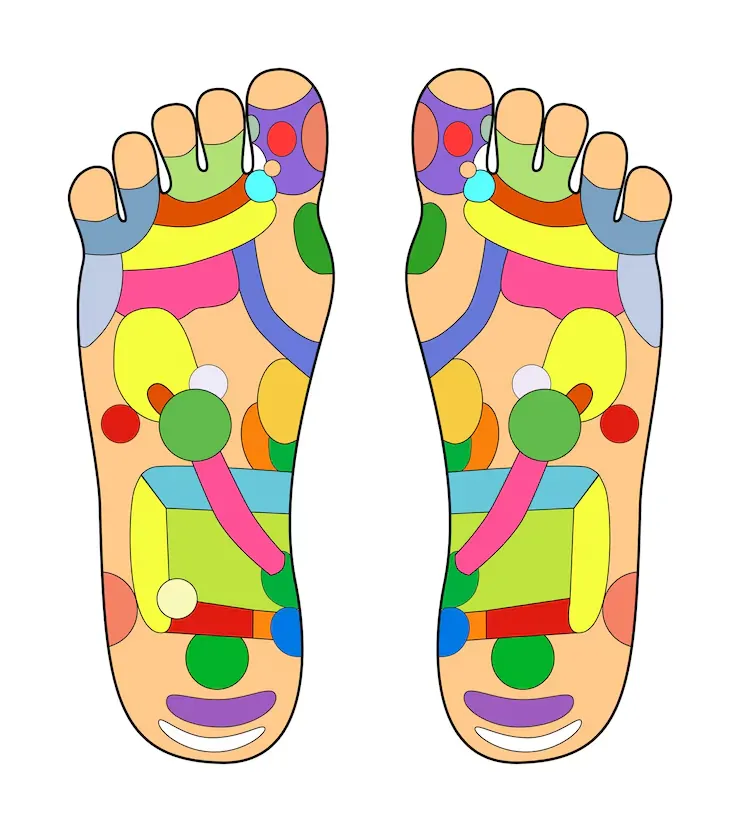
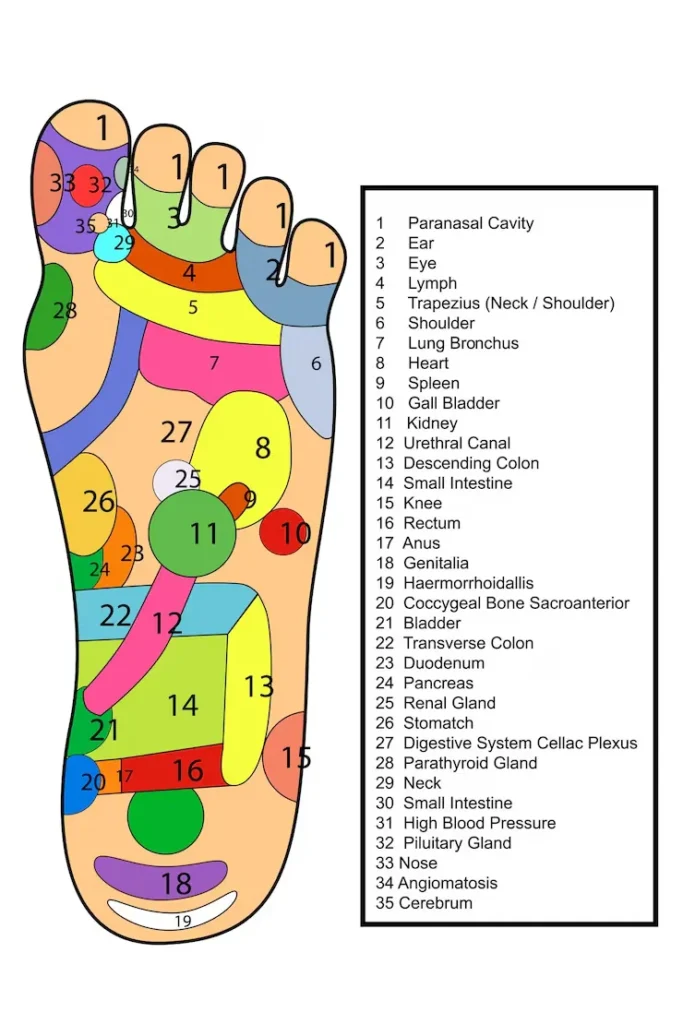
Look at toes. They represent the brain, eyes, ears. Press gently. Feel tender spots? Tension hides there.
Arch area? That’s your spine. Curve follows its length. So, roll a ball underfoot. Relief surges.
Heel governs intestines, sciatic nerve. And the ball of the foot? Lungs and heart. In addition, instep links to stomach.
Colors help. Charts use reds for circulation. Blues for lymph. Green for liver. Decode them. Your body thanks you.
Finally, flip it. Charts show both feet. Compare. Imbalances pop out.
Key Zones on Every Sole Pressure Guide
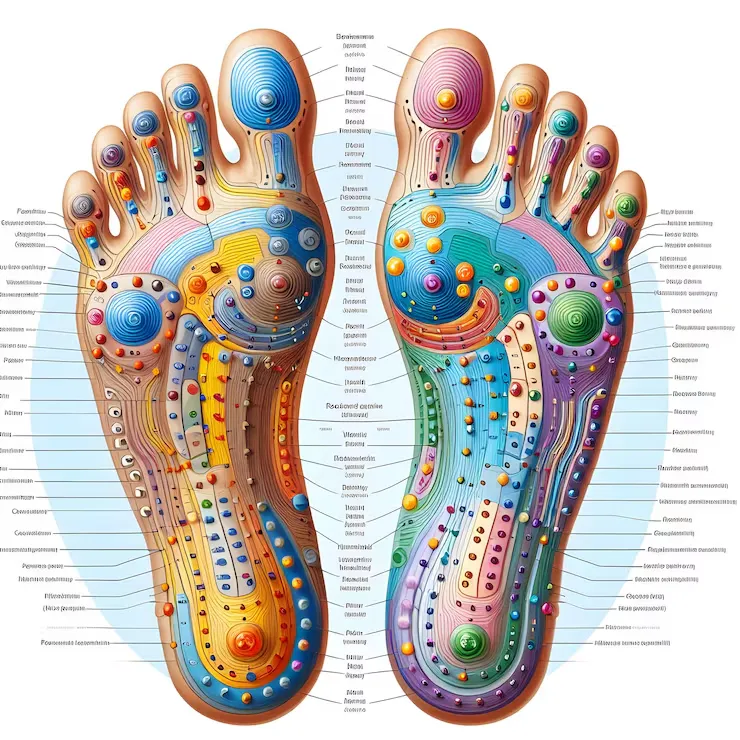
Diving deeper excites. Each chart highlights hotspots. Let’s break them down.
- Head and Neck: Toes top the list. Big toe calms sinuses. Second toe eases teeth pain.
- Digestive Organs: Mid-foot rules. Press here for bloating. Liver sits on right foot’s instep.
- Back and Shoulders: Arch zone delivers. Thumb-walk along it. Knots dissolve.
- Reproductive System: Inner heels target ovaries, uterus. Men, prostate too.
However, sensitivity varies. Pregnant? Skip certain points. Consult pros first.
Furthermore, charts evolve. Some add meridians from acupuncture. Others note emotions. Anger in the liver zone, say.
Benefits of Using a Reflexology Foot Map Daily
You press nightly. Sleep improves. Why? Parasympathetic nervous system activates. Stress melts.
Energy boosts too. Because circulation ramps up. Oxygen reaches cells faster.
Pain fades. Arthritis sufferers report less joint ache. Diabetics note better foot health.
For example, athletes use it. Sore muscles recover quicker. Office workers fight desk fatigue.
Studies back this. A 2019 review found anxiety drops 30%. Insomnia shortens too.
But consistency wins. Five minutes daily. Track changes in a journal. Results compound.
In addition, it’s free therapy. No pills. Just your feet and hands.
Step-by-Step: Self-Massage with a Foot Reflexology Chart
Ready to try? Follow these steps. You’ll master it fast.
- Sit comfortably. Warm feet in a basin. Add Epsom salts.
- Study your chart. Identify targets. Start with toes.
- Use thumbs. Press firmly. Hold five seconds. Rotate.
- Move to arch. Use knuckles. Roll slowly.
- Heel next. Grip and squeeze. Release tension.
- Finish with full foot rub. Oils enhance glide.
So, breathe deeply. Sessions last 10-20 minutes. Twice weekly suffices.
However, hydrate after. Toxins release. Drink water.
Common Mistakes with Reflexology Zone Charts
Newbies trip up. Press too hard. Bruises form. Go gentle.
Ignore charts? Chaos. Zones blur without guidance.
Skip both feet. Balance suffers. Left for left side. Right for right.
Also, expect miracles overnight. Patience builds benefits.
For example, chronic issues need pros. Self-care complements, doesn’t replace.
Therefore, learn basics first. Apps offer interactive versions. Practice there.
Reflexology for Specific Health Issues
Tailor your approach. Charts guide precisely.
Stress and Anxiety: Pituitary point. Center of thumb base. Press daily.
Digestive Troubles: Solar plexus. Mid-arch. Breathe into it.
Insomnia: Pineal gland. Big toe center. Evening ritual.
Headaches: Temple zones. Outer toe edges.
Moreover, menstrual cramps? Uterus reflex. Inner ankle.
Back pain? Kidney area. Above heel.
Studies confirm. Reflexology cuts migraine frequency by 50% in trials.
But combine wisely. Diet, exercise amplify.
Science Meets Ancient Wisdom in Foot Zone Diagrams
Doubters question. Fair enough. Research grows.
fMRI scans show brain activation from foot presses. Pathways light up.
A meta-analysis (2022) reviewed 40 studies. Pain relief consistent. Especially post-surgery.
Placebo? Controls included. Real effects persist.
Furthermore, vets use it on animals. Dogs calm. No mind tricks there.
So, skeptics soften. More trials underway.
Tools to Enhance Your Sole Pressure Guide Sessions
Charts alone rock. Tools elevate.
- Reflexology balls: Marble-sized. Roll underfoot.
- Wooden sticks: Precision pressing.
- Electric massagers: For lazy days.
- Essential oils: Lavender soothes. Peppermint invigorates.
In addition, apps overlay zones on photos. Tech meets tradition.
Books abound. Ingham’s originals inspire.
Finally, mats with knobs. Walk barefoot. Passive therapy.
Creating Your Own Customized Foot Reflexology Chart
Personalize it. Note your tender spots. Color-code pains.
Add dates. Track improvements.
Use free software. Draw digitally. Print large.
For example, overlay family members’. Spot patterns.
However, stick to standards. Deviate wisely.
Moreover, share online. Communities thrive on Quora, Reddit.
Reflexology in Modern Wellness Routines
Spas integrate it. Hotels offer charts in rooms.
Athletes swear. NBA stars press pre-game.
Pregnancy classes teach. Eases labor.
Elder care? Falls reduce. Balance improves.
Therefore, it’s mainstream now. Gyms add zones to floors.
Myths Debunked About the Reflexology Foot Map
Myth one: Cures cancer. No. Supports, doesn’t heal.
Myth two: Only for feet. Hands, ears too.
Myth three: Hurts badly. Done right, blissful.
But truth shines. Evidence mounts.
Also, not invasive. Safe for most.
Integrating It with Other Therapies
Pair with yoga. Poses hit zones naturally.
Acupuncture? Meridians align.
Aromatherapy boosts. Oils penetrate.
Finally, meditation deepens calm.
Where to Find the Best Foot Reflexology Charts
Free online abound. Print quality ones.
Books from Hay House excel.
Apps like “Reflexology Master” interact.
So, choose laminated. Durable for oils.
Final Thoughts: Your Feet, Your Roadmap
A foot reflexology chart opens doors. Press wisely. Heal subtly. You’ve got the map now. Start tonight. Feel the shift.