
What Are Lingual Braces? The Invisible Way to Straighten Your Smile
Ever wondered how celebrities get perfect smiles without anyone noticing? Lingual braces hide behind your teeth. They work like traditional ones but stay invisible from the front. If you’re tired of visible metal wires, these offer a discreet fix.

How Do Hidden Braces Behind Teeth Work?
Dentists bond these appliances to the back of your teeth. Wires connect the brackets. They gently pull teeth into place over time. Unlike clear aligners, they provide constant pressure. Patients love the stealth factor.
You visit an orthodontist first. They take scans and impressions. Custom brackets arrive after a lab molds them to your lingual surfaces. Installation takes one appointment. Glue holds everything securely.
Forces mimic front-facing versions. But placement demands precision. Your tongue adapts quickly. Speech improves within days. So, daily life barely skips a beat.
Why Pick Invisible Orthodontics Over Other Options?
Visible braces catch food easily. Clear plastic trays slip out during meals. Hidden ones stay put 24/7. They tackle severe cases better than trays. Crowded teeth? Rotated molars? These handle it all.
Celebrities swear by them. Think Tom Cruise or Madonna. They flashed smiles on red carpets without wires showing. Regular folks choose them for jobs. Models, actors, even executives prioritize looks.
However, not everyone suits them. Strong gag reflexes pose challenges. Young kids struggle more because mouths are smaller. Adults adapt faster. Therefore, age matters.
In addition, they correct bites precisely. Overbites, underbites, crossbites—all fixed invisibly. Traditional methods expose metal for 1-3 years. These keep confidence high throughout.
The Installation Process Step by Step
Prep starts weeks ahead. Your orthodontist scans your mouth digitally. A lab crafts custom brackets. They fit your unique tooth shapes perfectly.
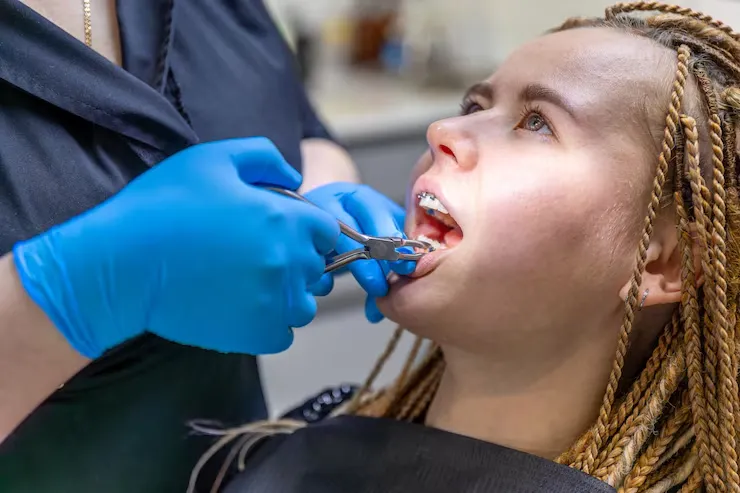
Day one: Numbing gel soothes gums. Brackets glue onto lingual sides. Wires thread through. Tiny doors lock them in. The whole job lasts 2-3 hours.
You’ll feel tenderness. Ice packs help. Soft foods ease the first week. Rinses kill bacteria. So, healing speeds up.
Follow-ups happen monthly. Doctors tighten wires. Progress shows in photos. Finally, after 12-36 months, brackets come off. Retainers maintain results.
For example, one patient shared: “I ate steak on day two. No one noticed my treatment.” Stories like hers inspire many.
Pros of Lingual Appliances: What Makes Them Stand Out?
They vanish from view. Smiles look natural instantly. No white squares or wires gleam in photos. Self-esteem soars.
Full-time wear ensures faster results. Trays require compliance. These don’t. Complex movements happen efficiently. Rotations and torques excel here.
Customization boosts comfort. Brackets mold to your palate. Tongue irritation fades quick. Moreover, they last like metal ones—durable against chewing forces.
Aesthetics win big. Weddings, interviews—no braces shame. Professionals thrive without questions. And hygiene improves over time with practice.
Cons and Challenges You Should Know
Cost hits hard. Prices run $8,000-$13,000. Insurance covers less often. Traditional braces cost half. So, budget wisely.
Placement irritates tongues initially. Metal edges rub. Wax covers spots. Speech slurs for a week. Practice helps.
Cleaning demands effort. Back teeth hide plaque. Floss threaders and proxies shine. Skip routines, and white spots appear. But dedication pays off.
Not all orthodontists offer them. Specialized training required. Find certified pros. Smaller mouths fit poorly. Therefore, consult early.
Furthermore, repairs take longer. A loose bracket? Emergency visits ensue. Patience tests you.
How Much Do They Cost? Breaking Down the Numbers
Base price starts at $8,000 for full mouth. Upper and lower arches add up. Urban areas charge more—think $12,000 in big cities.
Factors influence totals. Treatment length matters. Complex bites hike fees. Custom labs add $1,000-$2,000.
Insurance? Many plans cap ortho at $3,500. Check yours. Financing spreads payments. Monthly plans ease burdens.
Compare options:
| Treatment Type | Average Cost | Visibility | Treatment Time |
|---|---|---|---|
| Lingual Braces | $8k-$13k | Invisible | 12-36 months |
| Traditional Braces | $3k-$7k | Visible | 12-24 months |
| Clear Aligners | $3k-$8k | Semi-visible | 6-18 months |
| Ceramic Braces | $4k-$8k | Less visible | 12-24 months |
Hidden ones top the chart. But worth it for discretion.

Daily Care Tips for Success
Brush after every meal. Electric tools reach backs better. Water flossers blast debris. Proxies thread under wires.
Avoid sticky candies. Nuts crack brackets. Crunchy foods stress bonds. Soft diets help early on.
Mouthwash twice daily. Fluoride strengthens enamel. Nightly rinses prevent decay. So, smiles stay bright.
Orthodontist demos tools. Practice makes perfect. In addition, apps track hygiene streaks. Motivation builds habits.
For example, use interdental brushes. They scoop plaque from lingual grooves. Results impress at checkups.
Who Makes the Best Candidates?
Adults shine here. Fully grown jaws fit brackets easy. Busy pros need invisible fixes. Teens with mild gag issues work too.
Severe crowding? Perfect match. But check bite first. Open bites challenge all systems.
Consult pros. X-rays reveal suitability. Healthy gums essential. No active decay allowed.
However, heavy grinders risk damage. Night guards protect. Smokers? Quit hurts results. Clean mouths heal best.
Lingual Braces vs. Clear Aligners: Head-to-Head
Trays pop out for eating. Hidden braces stay fixed. Compliance wins with glued ones.
Trays suit mild cases. Lingual tackle tough misalignments. Wires move roots deeply.
Comfort? Trays edge out initially. But tongues adjust to metal fast. Aesthetics? Lingual invisible wins.
Time? Similar spans. Costs overlap upper ends. Choose based on bite severity.
| Feature | Lingual Braces | Clear Aligners |
|---|---|---|
| Visibility | None | Low (if worn) |
| Compliance | Automatic | User-dependent |
| Complex Cases | Excellent | Limited |
| Speech Impact | Short-term | Minimal |
| Cost | Higher | Variable |
Pick wisely. Goals guide choices.
Real Patient Stories and Transformations
Sarah, 28, hid braces during her wedding. “Guests complimented my smile. No one knew.” She finished in 20 months.
Mike, executive, chose them for presentations. “Confidence skyrocketed. Zero distractions.” Cost didn’t faze him.
Kids adapt too. Emma, 14, played sports unbothered. “Braces? What braces?” Mom beamed.
Challenges exist. John battled speech weeks. Practice fixed it. Now, he recommends everywhere.
These tales prove versatility. Lives change subtly.

Maintenance and Long-Term Retention
Monthly tweaks keep momentum. Wires upgrade for stages. Digital models predict ends.
Removal day thrills. Polish erases glue. Retainers follow—fixed or clear. Wear nights forever.
Annual checkups monitor shifts. Night grinding? Guards save work. Healthy habits lock gains.
Finally, lingual braces transform discreetly. They blend ortho with aesthetics seamlessly.